

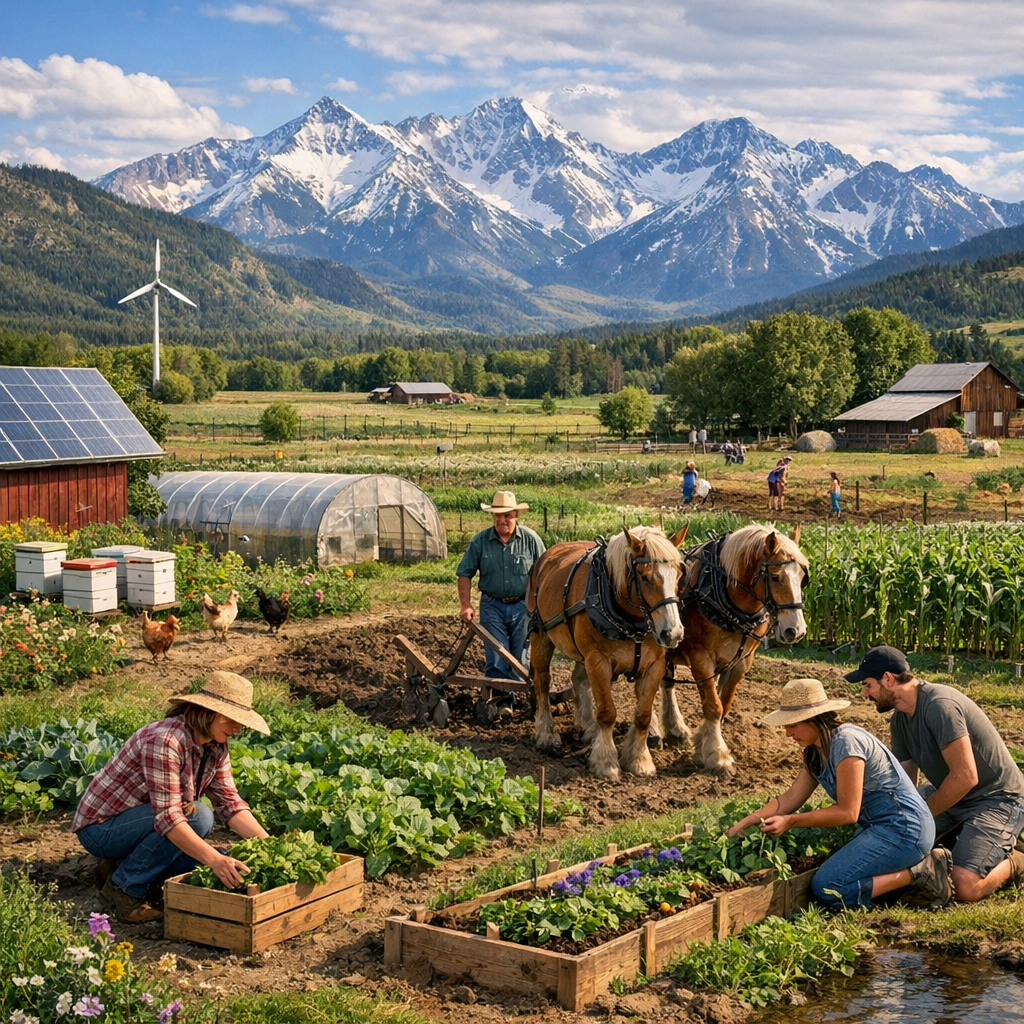
In our interconnected world, events unfolding thousands of miles away can have profound effects on rural communities like Lake City, Colorado. Understanding these global-local connections is essential for fostering resilience and sustainability.
Global Events and Their Local Repercussions
International crises, such as conflicts or economic disruptions, often lead to supply chain interruptions. For instance, conflicts in key regions can halt shipments of essential goods like fertilizers and fuels, directly impacting farmers and small-scale producers worldwide. This disruption underscores the vulnerabilities inherent in our globalized food systems and highlights the need for localized resilience strategies.
Climate change is another global phenomenon with tangible local consequences. Indigenous communities worldwide are experiencing displacement due to environmental changes, leading to the erosion of traditional practices and cultural identities. Similarly, rural areas in the United States, including those in Colorado, face challenges such as altered weather patterns affecting agriculture and water resources.
Building Resilience in Rural Communities
To mitigate the impacts of global events, rural communities can adopt several strategies:
Diversifying Local Economies
Reducing dependence on a single industry by promoting diverse economic activities can buffer communities against global market fluctuations.
Investing in Sustainable Practices
Implementing sustainable agricultural and resource management practices enhances long-term resilience to environmental changes.
Strengthening Community Networks
Robust local networks facilitate resource sharing and collective problem-solving during crises.
Engaging in Policy Advocacy
Active participation in policy discussions ensures that the unique needs of rural communities are considered in broader decision-making processes.
By recognizing the interconnectedness of global events and local realities, communities like Lake City can proactively address challenges and build a sustainable future.