

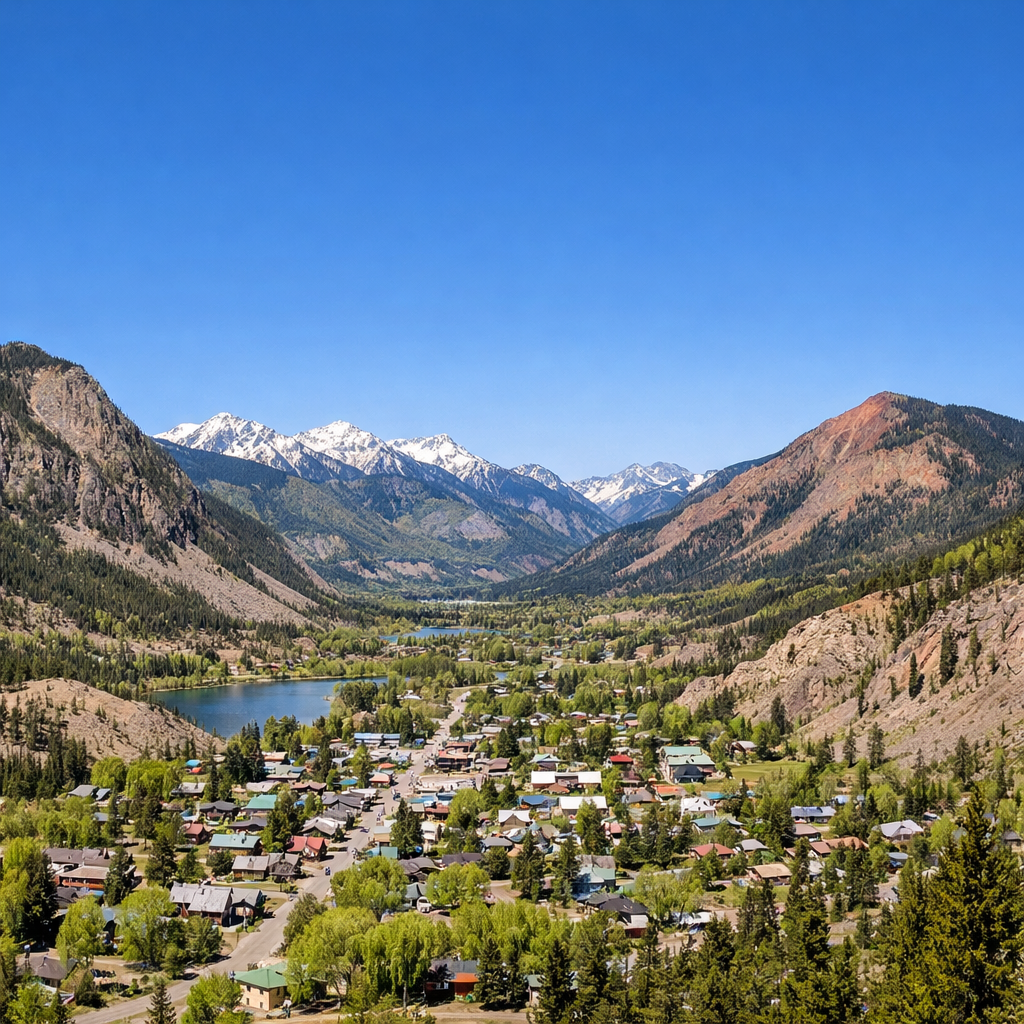
Lake City, nestled in the heart of the San Juan Mountains, experiences a distinctive climate that influences both our natural surroundings and daily activities. Understanding these patterns can help residents and visitors alike prepare for the varying conditions throughout the year.
Temperature Trends
Our town’s temperatures fluctuate significantly with the seasons. Winters are notably cold, with average lows dipping to around 0°F in January. Summers, on the other hand, are mild and pleasant, with average highs reaching approximately 77°F in July. This range provides a refreshing escape from the intense heat found in lower elevations during the summer months.
Precipitation Patterns
Precipitation in Lake City varies throughout the year. The wettest month is typically July, averaging about 5.39 inches of rainfall, while January tends to be the driest, with around 1.1 inches. This seasonal variation contributes to our lush summer landscapes and snowy winter vistas.
Humidity and Wind
Humidity levels also change with the seasons. February often sees the highest relative humidity at 86%, whereas June experiences the lowest at 47%. Wind speeds peak in June, averaging 7.6 mph, and are calmest in January, averaging 5 mph. These factors can influence outdoor activities and comfort levels throughout the year.
Environmental Considerations
Our unique climate supports a diverse range of flora and fauna, contributing to the rich biodiversity of the region. However, it’s essential to be mindful of environmental challenges, such as the risk of drought conditions. Staying informed about local weather patterns and participating in conservation efforts can help preserve the natural beauty of Lake City for future generations.
By understanding and adapting to our local climate, we can better appreciate the environment we call home and make the most of what each season has to offer.