

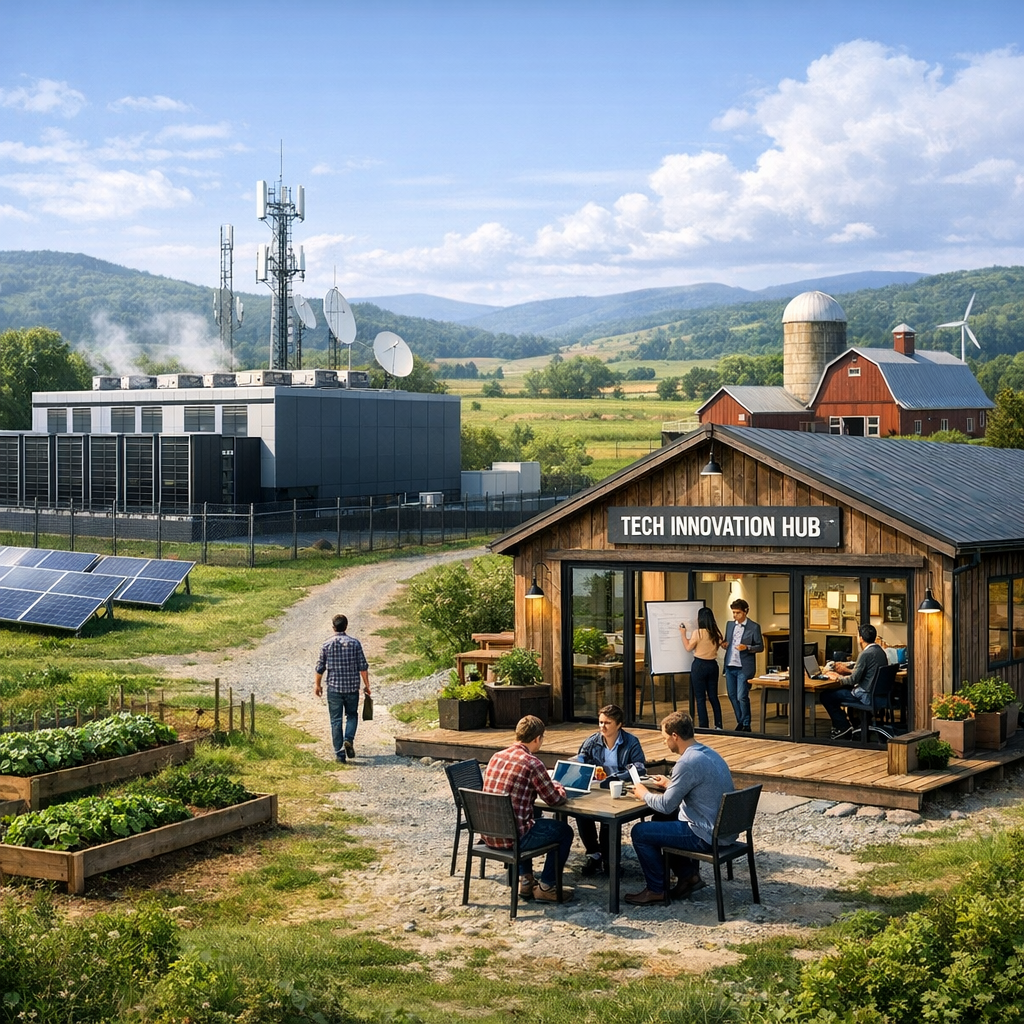
In the heart of rural America, communities like Lake City, Colorado, are experiencing a technological renaissance. The integration of artificial intelligence (AI), the rise of local startups, and the proliferation of new gadgets are not just urban phenomena; they are reshaping the fabric of rural life.
The Rise of AI in Rural Settings
Artificial intelligence is no longer confined to tech hubs. Rural areas are increasingly adopting AI to enhance various sectors. For instance, AI-driven data centers are being established in rural regions to bypass urban construction restrictions, allowing for faster development and reduced public scrutiny. This trend is evident in projects like the 9GW data center in Utah and a 7GW Meta project in rural Louisiana. While these developments bring economic opportunities, they also raise concerns about environmental impact and community involvement.
Local Startups: A New Frontier
Colorado’s startup ecosystem is thriving, with cities like Boulder and Denver leading the charge. The relaunch of Techstars Boulder underscores the state’s commitment to fostering innovation. This accelerator program aims to support startups across Colorado, providing resources and mentorship to budding entrepreneurs.
Moreover, Colorado Springs has been recognized as a top city for tech talent growth, with a 12% increase in tech employment over the past five years. This growth is attributed to investments from major companies and the city’s proximity to universities and military bases, which supply a steady pipeline of skilled professionals.
Gadgets and Everyday Life
The proliferation of smart devices and internet connectivity has transformed daily life in rural communities. From precision agriculture tools that optimize farming practices to telemedicine services that provide healthcare access, technology is bridging gaps that once seemed insurmountable. However, challenges remain, including ensuring reliable broadband access and addressing the digital literacy divide.
Challenges and Opportunities
While technology offers numerous benefits, rural communities face unique challenges. Infrastructure limitations, resistance to adoption, and a lack of AI literacy training can hinder meaningful integration. A recent study highlighted that rural educators use generative AI to streamline teaching tasks, but existing resource disparities restrict its full potential.
To fully harness the benefits of technology, rural areas must invest in infrastructure, provide education and training, and develop policies that support sustainable growth. By addressing these challenges, communities like Lake City can not only keep pace with technological advancements but also leverage them to enhance quality of life and economic prosperity.