

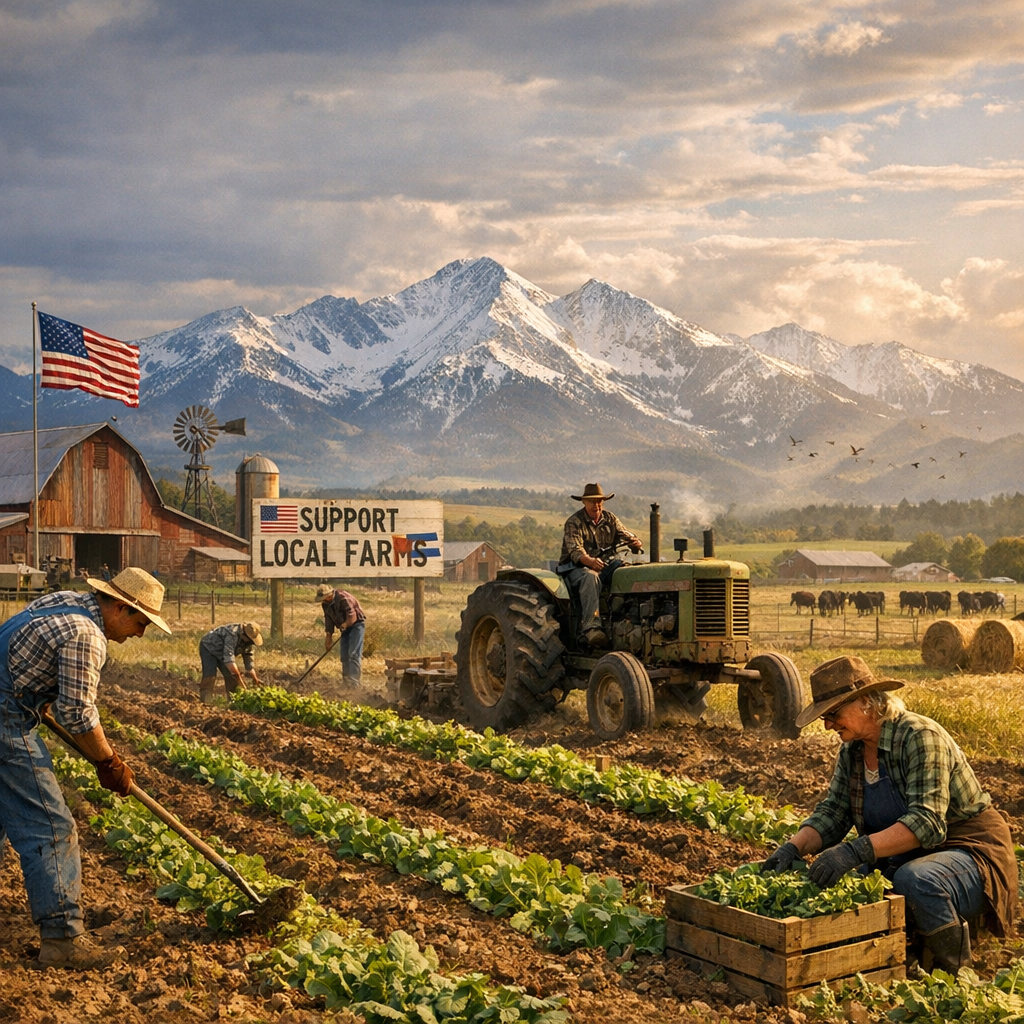
In our interconnected world, events unfolding thousands of miles away can have profound effects on rural communities like Lake City, Colorado. Understanding these global-local connections is essential for fostering resilience and sustainability.
Global Events and Their Local Repercussions
International crises, such as conflicts in the Middle East, can disrupt global supply chains, leading to increased costs for essential goods. For instance, the conflict in the Middle East has caused supply-side shocks to fertilizer and food production, impacting farmers worldwide. This disruption can result in higher prices for agricultural inputs, affecting local farmers’ profitability and food prices in our community.
Climate change is another global phenomenon with local consequences. Rural areas are particularly vulnerable to climate-induced displacement and environmental changes. Indigenous communities, for example, face significant challenges due to climate change, including displacement and loss of traditional practices.
Building Local Resilience
To mitigate these impacts, rural communities can adopt adaptive practices. Investing in sustainable agriculture, diversifying local economies, and strengthening community networks are vital steps. The International Fund for Agricultural Development (IFAD) emphasizes the importance of supporting rural communities to enhance global security and stability.
By staying informed about global events and proactively implementing adaptive strategies, communities like Lake City can navigate the challenges posed by an interconnected world, ensuring a resilient and thriving future.