

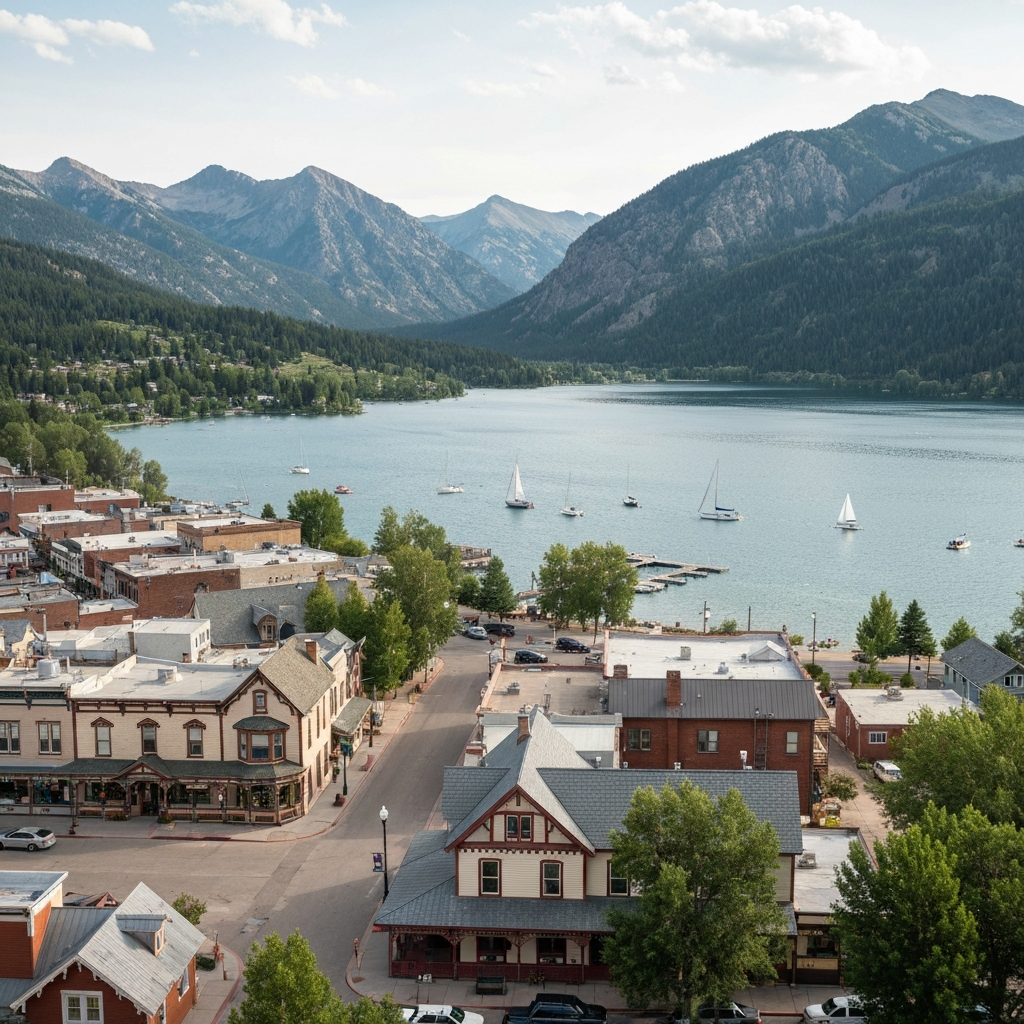
Lake City, Colorado, has undergone significant economic transformations since its establishment. Initially thriving as a mining hub in the late 19th century, the town experienced a decline in mining activities by the early 20th century, leading to economic stagnation. However, the community’s resilience and adaptability have paved the way for a vibrant tourism industry that sustains the local economy today.
Historical Economic Shifts
Founded during the mining boom of the 1870s, Lake City quickly became a bustling center for prospectors and miners. The arrival of the Denver & Rio Grande Railroad in 1889 further stimulated growth, facilitating the transport of minerals and goods. However, by 1905, the depletion of mineral deposits led to a sharp decline in mining activities, resulting in a significant population decrease and economic downturn. The town’s population, which once peaked at around 5,000, dwindled to approximately 400 by 1910. Source
Transition to Tourism
Recognizing the need for economic diversification, Lake City began to capitalize on its natural beauty and historical significance. By the 1930s, tourism emerged as a viable industry, attracting visitors interested in the town’s rich history and scenic landscapes. The preservation of historic buildings, many dating back to the mining era, became a focal point, enhancing the town’s appeal to tourists. Source
Modern Economic Initiatives
In recent years, Lake City has implemented several initiatives to bolster its economy further. The Lake City/Hinsdale County Marketing Committee participated in the Reimagine Destinations Program by the Colorado Tourism Office in 2022. This program aimed to celebrate previous achievements, build awareness of winter tourism opportunities, and support local businesses during the off-season. Source
One notable success is the Lake City Ice Park, which has transformed the town into a winter destination for ice climbers. Established in the 1990s by local enthusiasts, the park has grown in popularity, attracting climbers from various regions and providing a significant boost to the local economy during the winter months. Source
Community Support and Business Development
Organizations like Lake City DIRT (Downtown Improvement and Revitalization Team) play a crucial role in supporting local businesses and fostering economic vitality. DIRT hosts events such as the Wednesday Market, offering a platform for local artisans and farmers to showcase their products. Additionally, DIRT provides revolving loans to local businesses, facilitating start-ups and expansions with favorable terms. Source
The Lake City/Hinsdale County Chamber of Commerce also contributes to economic development by promoting tourism and assisting member businesses. The Chamber organizes events, maintains a business directory, and serves as an information center for visitors, thereby enhancing the overall visitor experience and supporting local enterprises. Source
Current Economic Landscape
As of 2025, Lake City has a projected population of 403, with a median age of 54.4 years and a median household income of $62,422. The housing market reflects a healthy economy, with a median home sale price of $749,000, marking a 9.02% increase year-over-year. These indicators suggest a stable and growing economic environment, driven largely by the tourism sector and community-driven initiatives. Source Source
Lake City’s journey from a mining-centric economy to a thriving tourism destination exemplifies the community’s resilience and adaptability. Through strategic initiatives and community engagement, the town continues to foster economic growth while preserving its rich historical heritage.