

By Ava Smith
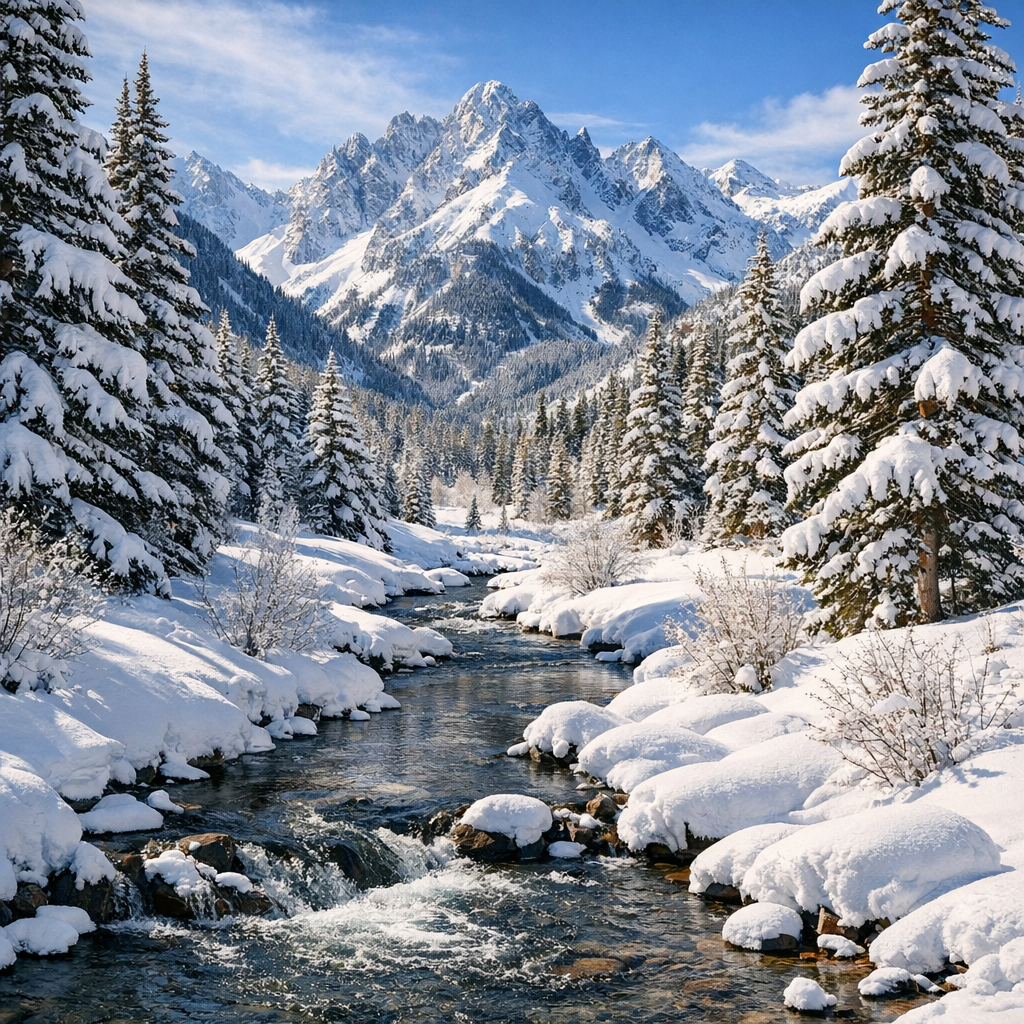
Nestled in the San Juan Mountains, Lake City’s climate reflects its high elevation: cold winters, comfortable summers, and a rhythm tied closely to snow, runoff, and alpine ecosystems. But this rhythm is shifting. Here’s what recent climate science tells us, how the changes are showing up locally, and how we can adapt to protect our landscape and communities.
What the Numbers Reveal
Snowpack is a lifeline for Lake City. It stores winter precipitation and releases it gradually through warmer months, feeding creeks, rivers, and groundwater. However, studies show a consistent decline in snowpack in Colorado’s southern mountain regions. Peak snow water equivalent (SWE) has dropped by 3–5% per decade, and peak snowmelt is arriving 2–4 weeks earlier than it used to.
Meanwhile, temperatures across Colorado have warmed by about 2.3 °F since 1980. The fall season has warmed the most, by approximately 3.1 °F over the same period. All seasons are showing upward trends, but summer and fall warming are projected to outpace spring and winter in coming decades.
How These Trends Affect Weather & Landscape
• Warmer temperatures mean more precipitation falls as rain rather than snow, especially at lower elevations and during transitional seasons. That change reduces the natural water storage snow provides.
• Snow melting earlier leads to lower streamflows later in summer, so creeks and rivers can run low when demand—for plants, wildlife, and human use—is high.
• Increased heat and drying elevate wildfire risk, while shifting moisture patterns complicate planning for water resources and ecosystems.
Visible Signs Around Lake City
Locally, we already feel some of these shifts. Spring snow may linger less in high ridges. Wildflowers and alpine plants are blooming earlier, and the timing of peak green—when meadows are fullest—often arrives sooner and falls off earlier. Wildlife patterns shift too, with bears and other animals more frequently entering town in late summer and early fall in search of food as natural sources decline.
What Residents Can Do
• Conserve water during shoulder seasons—late spring and early fall—when flows are unpredictable.
• Support measures to reduce wildfire risk: clear dead fuel near homes, respect burn bans, advocate for forest thinning where appropriate.
• Protect native plants and watersheds by avoiding landscaping with invasive species and preserving riparian strips along streams.
• Stay informed: mountain-region monitoring stations including SNOTEL offer insights into snowpack and water supply trends.
Why It Matters
These changes aren’t just scientific: they affect tourism, local agriculture and ranching, wildlife health, and the very character of this place. Maintaining snowpack and water flow means preserving the lakes, landscapes, and livelihoods we love in Lake City. As the climate continues its upward trend, being proactive helps our community retain resilience.
Lake City’s ecosystems have always been shaped by big swings in weather. Now, with climate shifts that amplify those swings and perhaps reorder their timing, how we adapt could make all the difference.