

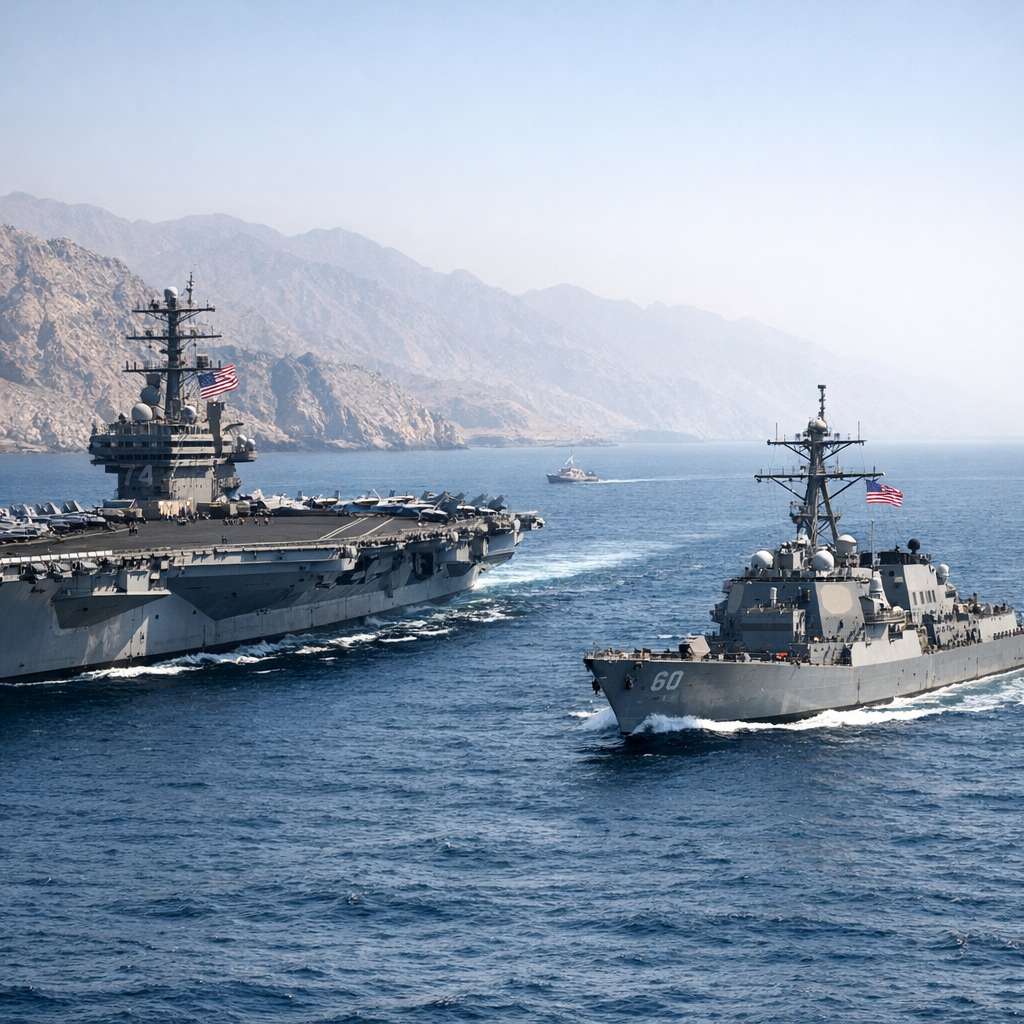
Recent developments in the Strait of Hormuz have once again brought U.S.-Iran relations into the global spotlight. The strategic waterway, through which a significant portion of the world’s oil passes, has been the focal point of escalating tensions between the two nations.
Background of the Conflict
Reports indicate that both the United States and Iran were nearing an agreement to end hostilities. However, recent military clashes over the Strait of Hormuz have disrupted these negotiations. The U.S. initiated ‘Project Freedom,’ deploying guided-missile destroyers and over 15,000 service members to ensure safe navigation through the strait. In response, Iran launched multiple cruise missiles, drones, and small boats targeting civilian ships under U.S. protection. U.S. forces countered by sinking six of the attacking boats.
Implications for Global Oil Markets
The Strait of Hormuz is a critical chokepoint for global oil transportation. Any disruption in this region can lead to significant fluctuations in oil prices worldwide. The recent hostilities have raised concerns about potential supply chain disruptions, which could impact economies globally, including here in Lake City, Colorado.
Local Perspective
While Lake City is geographically distant from the Strait of Hormuz, the ripple effects of international conflicts can reach our community. Rising fuel prices, influenced by global market uncertainties, can affect local businesses and consumers alike. It’s essential for residents to stay informed about international developments, as they can have tangible impacts on our daily lives.
As the situation unfolds, we hope for a peaceful resolution that ensures stability in the region and minimizes adverse effects on global and local economies.